 By Dominic E.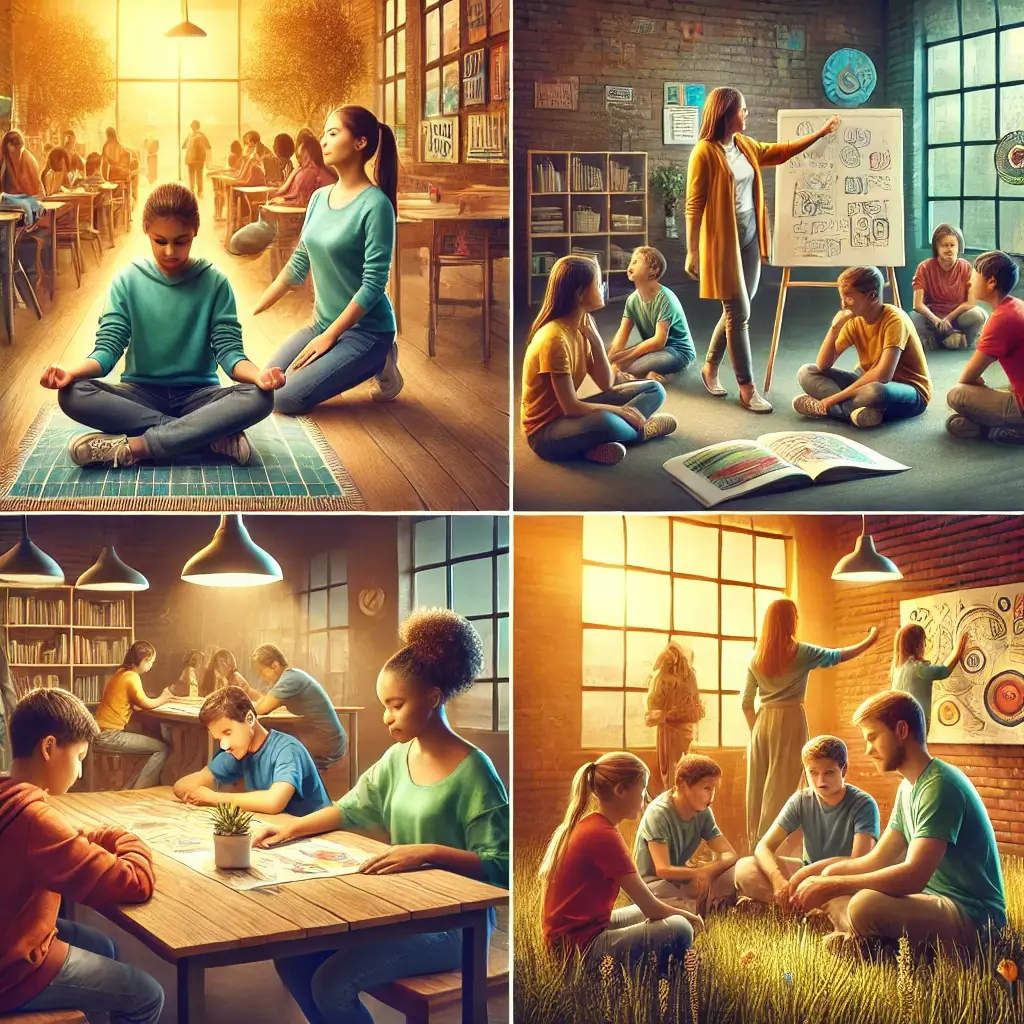
Understanding Social-Emotional Learning’s Role in Education
Social-Emotional Learning (SEL) is increasingly recognized as a cornerstone of modern education. Defined as the process of acquiring and applying knowledge, attitudes, and skills to understand and manage emotions, set goals, show empathy, build relationships, and make responsible decisions, SEL addresses the holistic needs of students. When woven into the fabric of academic curricula, SEL fosters environments that nurture both intellectual and emotional growth. For educators and policymakers, SEL presents an opportunity to create resilient, socially responsible, and academically capable learners.
Research-Backed Impact on Student Achievement
Research underscores the profound impact of SEL on student outcomes. A meta-analysis published in the journal Child Development highlighted that students participating in SEL programs showed an 11 percentile-point gain in academic achievement compared to peers without such interventions (Durlak et al., 2011). Moreover, these programs have been linked to long-term benefits, such as improved mental health, higher graduation rates, and reduced behavioral issues (Weissberg et al., 2015). As schools navigate the challenges of diverse student populations and evolving societal expectations, integrating SEL into academics is not just a pedagogical choice but an imperative.
Practical Implementation Strategies
Group Projects: By encouraging students to collaborate on academic tasks, educators can foster teamwork and improve interpersonal communication. For example, assigning history group projects enables students to engage in joint decision-making and conflict resolution.
Peer Tutoring: Structured peer tutoring sessions help build empathy and patience while enhancing subject comprehension.
Moral Dilemmas: Classroom discussions around ethical scenarios stimulate critical thinking and moral development.
Role-Playing: Activities such as simulating historical negotiations enhance perspective-taking and empathy.
Mindfulness Integration in Education
Meditation and Yoga: Incorporating mindfulness exercises into daily routines reduces stress and enhances focus. Research shows that mindfulness-based practices can improve emotional regulation and reduce symptoms of anxiety among students (Semple et al., 2010).
Mindful Breathing: Teaching simple techniques for emotional regulation empowers students during high-stress situations like exams.
Fostering Growth Mindset
Positive Self-Talk: Encouraging students to use affirmations bolsters resilience. Carol Dweck’s research on growth mindset highlights that fostering a belief in the ability to improve can significantly impact academic performance (Dweck, 2006).
Learning from Mistakes: Normalizing failure as a learning step fosters perseverance and adaptability.
Community Engagement and Real-World Application
Community Projects: Students apply academic knowledge to community needs, developing social responsibility and real-world problem-solving skills.
Real-World Problem Solving: This approach bridges academic content with practical applications, enhancing student engagement and understanding.
The Future of Integrated Learning
The integration of social-emotional learning (SEL) into academic curricula is a powerful strategy for preparing students for both academic and life-long success. By embedding SEL into core subject areas, educators can equip young learners with a robust set of essential life skills, such as self-awareness, social awareness, responsible decision-making, and conflict resolution. This fusion of SEL and academics not only enhances students’ academic performance but also prepares them to navigate the complex, interconnected world they will inherit.
Policy Implementation and Support
Recognizing the far-reaching benefits of SEL, policymakers and education leaders are increasingly championing its systemic integration across education systems. Through the provision of dedicated resources, targeted professional development for teachers, and comprehensive policy frameworks, schools and districts can ensure the sustainable implementation of SEL initiatives. This holistic approach ensures that students have access to well-rounded learning experiences that nurture their cognitive, social, and emotional development in tandem.
Long-Term Impact and Future Directions
As the research evidence continues to mount, showcasing the broad and long-lasting benefits of SEL, its integration into academic curricula is becoming an indispensable strategy for fostering the holistic growth and preparedness of students. By cultivating essential life skills alongside academic knowledge, this approach empowers young people to thrive in their educational pursuits and to navigate the personal, social, and professional challenges that lie ahead. Ultimately, the infusion of SEL into the core fabric of education sets students on a trajectory for lifelong success, equipping them with the tools to make positive contributions to their communities and the world at large.
References
Durlak, J. A., Weissberg, R. P., Dymnicki, A. B., Taylor, R. D., & Schellinger, K. B. (2011). The impact of enhancing students’ social and emotional learning: A meta-analysis of school-based universal interventions. Child Development, 82(1), 405-432.
Weissberg, R. P., Durlak, J. A., Domitrovich, C. E., & Gullotta, T. P. (2015). Social and emotional learning: Past, present, and future. In Handbook of Social and Emotional Learning: Research and Practice (pp. 3-19). New York, NY: Guilford Press.
Semple, R. J., Lee, J., Rosa, D., & Miller, L. F. (2010). A randomized trial of mindfulness-based cognitive therapy for children: Promoting mindful attention to enhance social-emotional resiliency in children. Journal of Child and Family Studies, 19(2), 218-229.
Dweck, C. S. (2006). Mindset: The New Psychology of Success. Random House.